Benny’s Royal Tour’s Ethiopia & Zanzibar Tour begins as we assemble at Kochi Domestic Airport and proceed to Mumbai International Airport to catch our Ethiopian Airlines flight, officially launching an unforgettable African adventure filled with vibrant cultures, stunning landscapes, and once-in-a-lifetime experience.
Day 2
ARRIVAL IN ADDIS ABABA – GATEWAY TO ETHIOPIA
Ethiopian Airline Flight ET611 departs to Addis Ababa at 04.05 hrs and arrives at Addis Ababa International Airport at 07.00 hrs. After completing immigration and customs formalities, upon arrival at Bole International Airport, we will be warmly welcomed by our local representative.
ADDIS ABABA
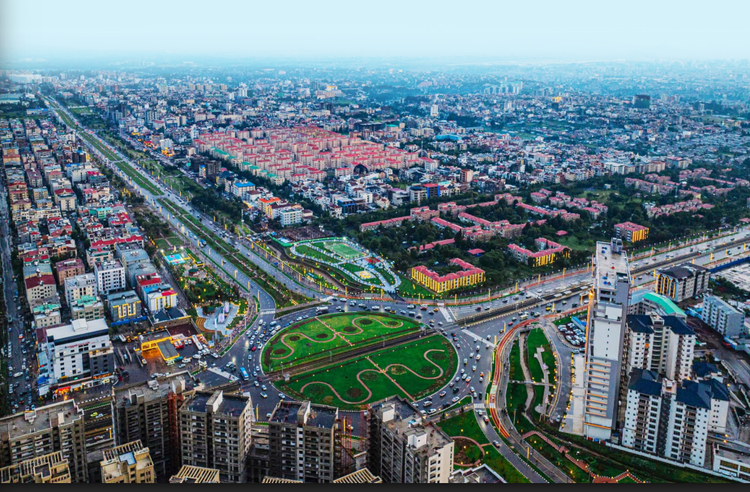
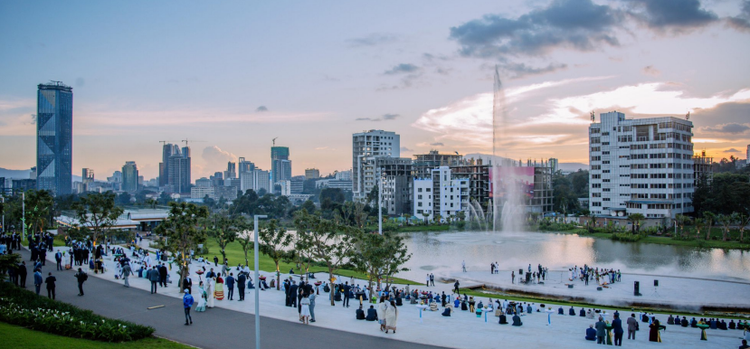
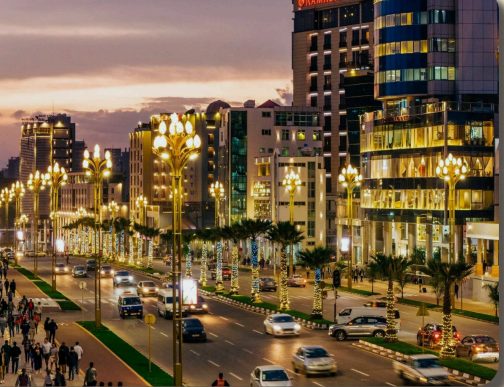
Addis Ababa, meaning “New Flower,” is the political and cultural heart of Ethiopia and Africa. It is home to the African Union and serves as a fascinating blend of ancient traditions and modern life. The city reflects Ethiopia’s proud history as one of the few African nations never colonized.
MOUNT ENTOTO – PANORAMIC VIEWS & HISTORIC HEART OF ADDIS ABABA
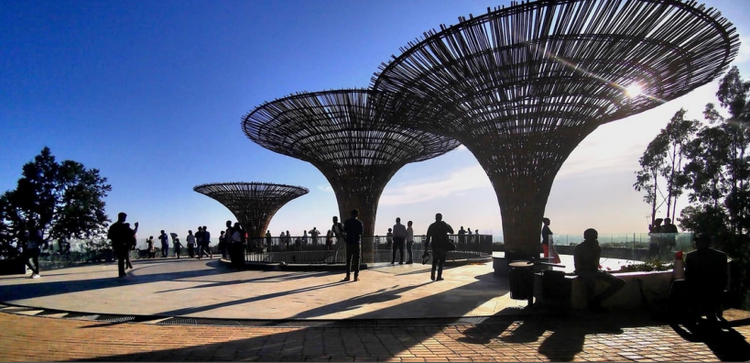
Rising on the northern edge of Addis Ababa, Mount Entoto offers breathtaking panoramic views of the city along with a refreshing escape into eucalyptus forests. Often called the birthplace of Addis Ababa, Entoto is home to historic churches and museums linked to Emperor Menelik II and Empress Taytu, who founded Ethiopia’s capital here. Visitors can enjoy cool mountain air, scenic viewpoints, and cultural insights, making Mount Entoto a perfect blend of nature, history, and local heritage.
NATIONAL MUSEUM OF ETHIOPIA - WHERE HUMANITY’S STORY BEGAN
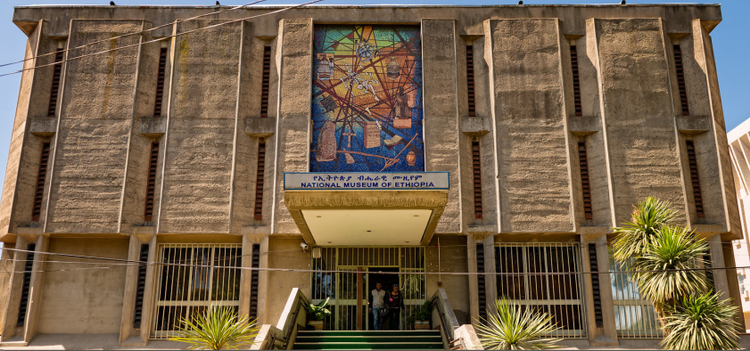
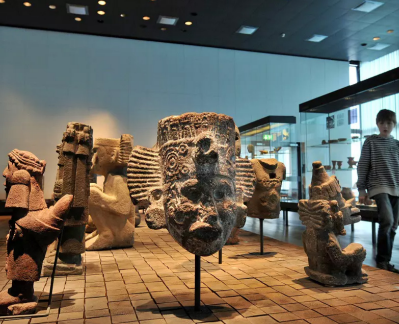
After reaching Addis Ababa, we proceed to the National Museum of Ethiopia, one of the most important museums in Africa and a true treasure house of the nation’s heritage. This renowned museum is best known for housing “Lucy,” the 3.2-million-year-old fossil, which offers remarkable insight into the early history of humankind. Lucy is important because she shows the link between modern humans and earlier ape-like ancestors. Her fossil helps us understand how humans evolved physically and how walking on two legs plays a key role in our development. Today, Lucy is proudly preserved at the National Museum of Ethiopia, symbolizing Ethiopia’s central place in human history. As we walk through the galleries, we explore Ethiopia’s rich journey through ancient civilizations, royal dynasties, sacred art, and archaeological wonders, tracing the story of the country from prehistoric times to the modern era. The museum beautifully reflects Ethiopia’s role as the cradle of humanity, making this visit both educational and deeply inspiring. This enriching experience allows us to connect with our roots and appreciate the cultural legacy that continues to shape Ethiopia today.
HOLY TRINITY CATHEDRAL:
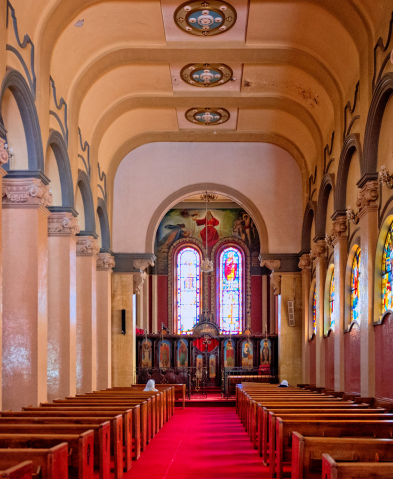
We proceed to the Holy Trinity Cathedral, one of the most important and majestic religious landmarks in Ethiopia. Built in the early 20th century, this grand cathedral is renowned for its beautiful architecture, stained-glass windows, and rich historical significance. The cathedral holds a special place in Ethiopian history as the burial site of Emperor Haile Selassie and Empress Menen Asfaw, along with several prominent patriots. As we explore the grounds, we gain insight into Ethiopia’s Orthodox Christian heritage and its role in shaping the nation’s identity. After dinner we proceed to our hotel in Addis Ababa for check-in and relaxation. Overnight stay in Addis Ababa.
Overnight: Ramada Hotel, Addis Ababa or similar in Addis Ababa
Meal Plan: Breakfast (on board) , lunch & Dinner.
Day 3
ADDIS ABABA – JINKA – MURSI, BENNA & ARI TRIBES (OMO VALLEY EXPERIENCE)
Early morning, we proceed for a domestic flight from Addis Ababa to Jinka (approx. 1 hour). On arrival, we drive towards Mago National Park to visit the iconic Mursi tribe, followed by an afternoon visit to the Benna (Banna) tribe. Later, we return to Jinka and check in at Eco Omo Lodge.
MURSI TRIBE – A LIVING LEGACY OF ANCIENT AFRICA
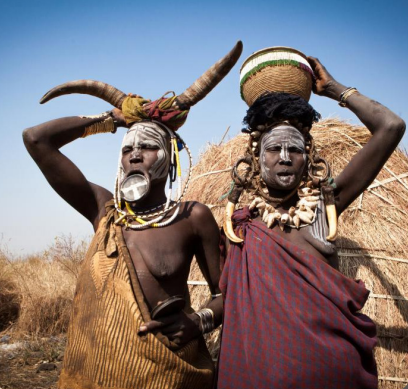
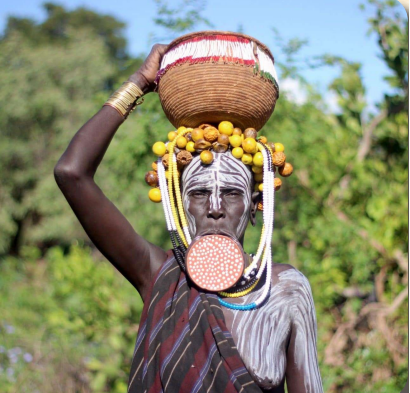
Visiting the Mursi Tribe is not just a cultural stop it is a journey into one of Africa’s most powerful living traditions. Famous for their striking lip plates, the Mursi people preserve customs that date back centuries, symbolizing identity, strength, and pride rather than ornament alone. Meeting the Mursi allows us to witness a community that has fiercely protected its heritage despite the modern world, offering a rare glimpse into humanity’s earliest social expressions. Their bold body art, ceremonial scars, and deep connection to the land make this encounter unforgettable, reminding us why the Omo Valley is recognized as a UNESCO World Heritage region. Seeing the Mursi is about understanding resilience, cultural authenticity, and the roots of human civilization.
THE BENNA (BANNA) TRIBE
The Benna (also called Banna) Tribe is an indigenous ethnic group living in Southern Ethiopia’s Omo Valley, mainly around the areas of Key Afer and Jinka. The Benna are traditionally agro-pastoralists, meaning they depend on both farming and cattle herding for their livelihood. What makes them especially well known is their famous stick-jumping ceremony, a cultural rite of passage for young men. During this ritual, men run and jump across the backs of lined-up cattle to prove strength, courage, and readiness for adulthood and marriage. The Benna people are also recognized for their colorful clothing, intricate beadwork, body painting, and scarification, all of which reflect status, beauty, and identity within the community. Despite increasing outside influences, they have preserved their language, customs, and traditions, making them an important part of Ethiopia’s rich cultural mosaic. After dinner proceed to our hotel in Jinka, complete check-in, and relax after the day’s journey. Overnight stay in Jinka.
ARI TRIBE – GUARDIANS OF SOUTHERN ETHIOPIA’S LIVING TRADITIONS
The Ari Tribe is one of the largest and most culturally rich communities of southern Ethiopia, living mainly around the Jinka region. Known for their strong agricultural lifestyle, the Ari people cultivate crops such as coffee, maize, sorghum, and enset, playing an important role in the region’s food production. The Aari (or Ari) are the largest indigenous Omotic speaking tribe in Ethiopia’s Omo Valley They are especially admired for their traditional craftsmanship, including pottery, weaving, and metalwork, skills passed down through generations.A visit to an Ari village offers an authentic insight into daily rural life from traditional homes and farming practices to colorful attire and warm hospitality.
Overnight: Eco Omo Lodge, Jinka or similar in Jinka.
Meal Plan: Breakfast, Lunch & Dinner.
Day 4
JINKA – ADDIS ABABA | CULTURAL CITY TOUR - ETHIOPIAN NEW YEAR
After breakfast, we take a morning flight from Jinka to Addis Ababa. Upon arrival, we begin an in depth Addis Ababa city tour, covering the city’s most significant historical and cultural landmarks.
CELEBRATING NEW YEAR IN ETHIOPIA IS NOT JUST A DATE ON THE CALENDAR, IT’S A RARE OPPORTUNITY FOR US TO IMMERSE OURSELVES IN AUTHENTIC CULTURE, HAPPINESS, AND RENEWAL, MAKING THIS TOUR AN UNFORGETTABLE ONCE-IN-ALIFETIME EXPERIENCE.
ETHIOPIAN NEW YEAR
Our journey becomes even more special on this Day coincides with Ethiopian New Year, Enkutatash one of the country’s most joyful and colorful celebrations! Marking the end of the rainy season and the beginning of spring, the entire nation comes alive with music, traditional dances, flower-filled streets, and vibrant cultural performances.Locals dressed in bright traditional attire fill the cities and villages, children sing New Year songs while offering fresh yellow flowers, and families gather to share festive meals and blessings. We experience the warmth of Ethiopian hospitality firsthand, witnessing age old traditions, lively ceremonies, and a true sense of community.
ETHNOLOGICAL MUSEUM:
Later ,we proceed to the Ethnological Museum, located within the former palace of Emperor Haile Selassie at Addis Ababa University. This museum is one of the most important cultural museums in Ethiopia. The museum offers a fascinating insight into the diverse ethnic groups, traditions, lifestyles, and beliefs of Ethiopia. As we move through the exhibits, we explore the country’s rich cultural heritage from traditional music, clothing, and tools to religious practices and daily life across different regions.The Ethnological Museum beautifully showcases how Ethiopia’s many communities have lived in harmony for centuries, making it an enriching experience that helps us understand the soul and identity of the nation.
MERKATO MARKET:
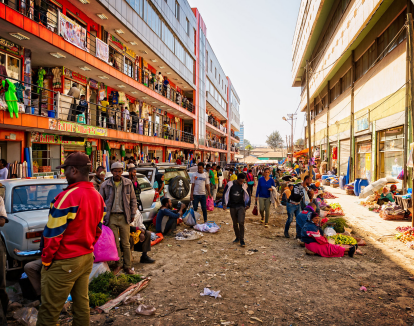
Merkato (Mercato) is the largest open-air market in Africa and offers a truly authentic local experience in Addis Ababa. Walking through its busy lanes gives visitors a firsthand look at daily Ethiopian life, traditional trading practices, and the vibrant energy of the city. It is ideal for cultural insight and observation, rather than tourist shopping, as it mainly serves local and wholesale trade.
TRADITIONAL ETHIOPIAN COFFEE CEREMONY
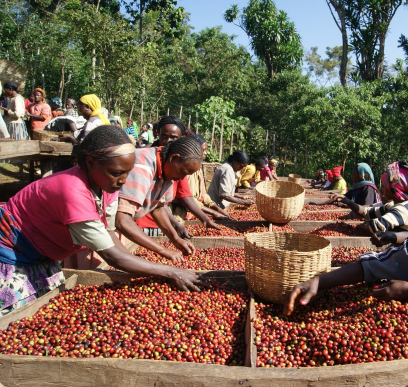
As a perfect conclusion, we experience the Traditional Ethiopian Coffee Ceremony, a deeply rooted cultural ritual and a symbol of Ethiopian hospitality. Ethiopia is the birthplace of coffee, and this ceremony reflects the country’s strong social and cultural traditions. As we gather, we witness coffee beans being roasted, ground, and brewed fresh in front of us, filling the air with a rich aroma. The ceremony is often accompanied by incense and light refreshments, creating a warm and welcoming atmosphere. This meaningful experience allows us to connect with local culture, enjoy authentic Ethiopian coffee, and share moments of conversation and togetherness, making it a truly memorable highlight of our journey. After dinner we proceed to our hotel in Addis Ababa for check-in and relaxation. Overnight stay in Addis Ababa.
Overnight: Ramada Hotel, Addis Ababa or similar in Addis Ababa
Meal Plan: Breakfast, Lunch & Dinner
Day 5
DEPARTURE FROM ADDIS ABABA
After breakfast, we will be transferred to Bole International Airport for our onward journey, departing with unforgettable memories of Ethiopia’s ancient civilizations, vibrant cultures, and unique tribal heritage. Our Ethiopian Airlines flight connects at 15:40 and arrives at Abeid Amani Karume International Airport, Zanzibar at 18:15. After completing immigration and customs formalities, we will be warmly welcomed by our local representative and assisted with our transfer, marking the beginning of our relaxing and scenic Zanzibar experience.
ZANZIBAR
Zanzibar is a tropical island escape where crystal-clear turquoise waters, powder-white beaches, and a relaxed island lifestyle create a world far removed from everyday life. Surrounded by the Indian Ocean, the island offers breathtaking sunsets, traditional dhow cruises, vibrant marine life, and uncrowded beaches that feel private and serene. Its historic Stone Town, with sea-facing architecture and lively local markets, adds cultural charm without being overwhelming. Zanzibar perfectly blends natural beauty, gentle exploration, and laid-back luxury, making it an ideal international beach destination for travelers seeking relaxation, scenic experiences, and a truly different island atmosphere. . Later we proceed to Hotel .Dinner and overnight stay in Zanzibar.
Overnight: Maru Maru Hotel, or similar in Zanzibar.
Meal Plan: Breakfast, Lunch & Dinner.
Day 6
STONE TOWN - WHERE THE OCEAN MEETS HISTORY
A Tour To The Edge Of The World - Teriberka Village
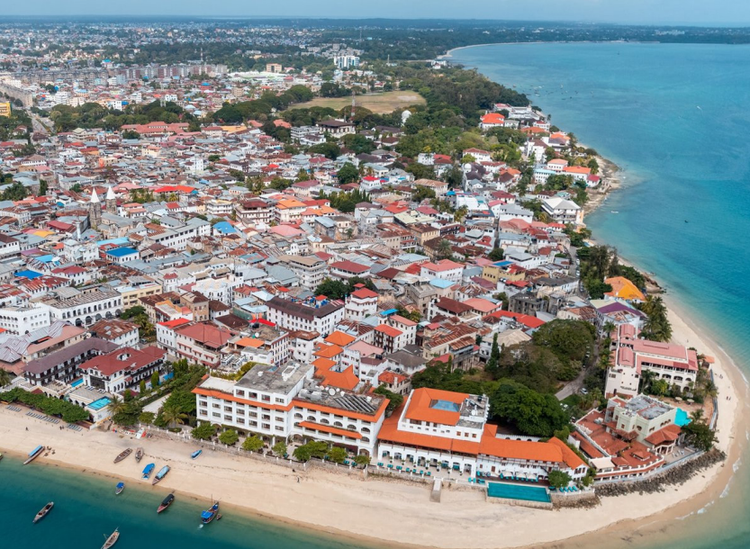
After breakfast, we begin our exploration of the beautiful island of Zanzibar by visiting the historic Stone Town. Accompanied by a knowledgeable guide, we will walk through its timeless narrow streets lined with coral stone buildings and intricately carved wooden doors that reflect the island’s rich cultural blend. During the tour, we will visit famous heritage landmarks such as the House of Wonders and the Old Fort while experiencing the lively local markets and learning about Zanzibar’s fascinating history and traditions.
STONE TOWN (UNESCO WORLD HERITAGE SITE)
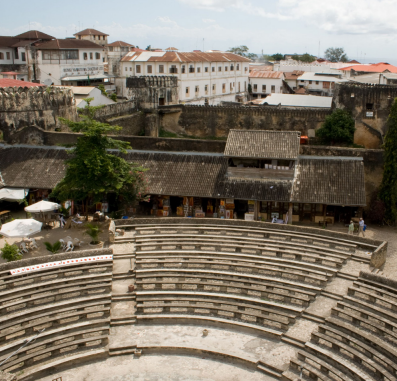
Stone Town is the historic heart of Zanzibar and a UNESCO World Heritage Site, known for its narrow winding streets, coral stone buildings, and beautifully carved wooden doors. The town reflects centuries of Swahili, Arab, Persian, and European influence, making it a living museum that showcases Zanzibar’s rich cultural and trading past.
FORMER SLAVE MARKET SITE
The Slave Market in Zanzibar is an important historical site that reflects a major chapter in East African and world history. During the 18th and 19th centuries, Zanzibar was one of the largest centers of the East African slave trade, connecting Africa with the Middle East and beyond. Today, the former Slave Market site in Stone Town stands as a place of remembrance and learning, helping visitors understand the realities of the past while honoring the lives of those who suffered. Its importance lies in preserving historical awareness, promoting reflection, and ensuring that this chapter of history is remembered so that such inhuman practices are never repeated. The former Slave Market site stands as a powerful reminder of Zanzibar’s role in the East African slave trade. Today, the site serves as a place of remembrance and education, helping visitors understand an important chapter of world history while honoring the resilience and humanity of those who suffered during that era.
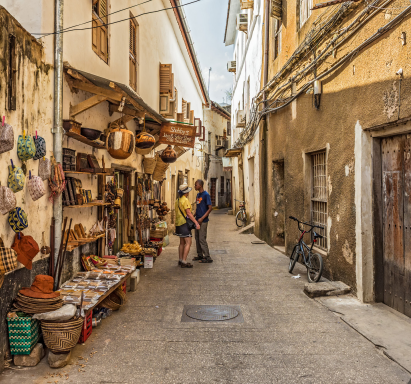
After this, we visit the historic Anglican Cathedral, built on the site of the former slave market, where we learn about Zanzibar’s poignant history and see the unique architecture of this landmark. We then explore the narrow alleys of Stone Town, winding through the bustling streets and discovering the island’s vibrant culture. Along the way, we admire the famous Zanzibar doors, intricately carved wooden doors that reflect the rich heritage and craftsmanship of the island.
HOUSE OF WONDERS -BEIT AL-AJAIB
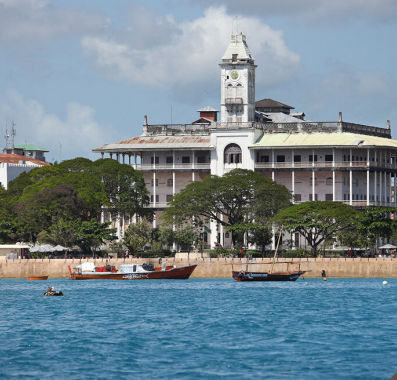
The House of Wonders, also known as Beit-al-Ajaib, is one of Stone Town’s most famous landmarks built in 1883 by Sultan Barghash. It served as the ceremonial palace of the Sultan and was the first building in East Africa to have electricity and an elevator. Located along the seafront, the building reflects Zanzibar’s rich royal history and cultural heritage, making it one of the island’s most significant historical attractions.
SULTAN’S PALACE -PEOPLE’S PALACE MUSEUM
The Sultan’s Palace offers a glimpse into the royal lifestyle of Zanzibar’s former rulers. Overlooking the Indian Ocean, the palace displays personal artifacts, photographs, and furnishings that reflect the grandeur and influence of the Omani sultans who once ruled the island. A walk through Stone Town’s local streets and markets reveals the everyday life of Zanzibar. Colorful markets, sea-facing buildings, and traditional shops create a vibrant atmosphere, allowing visitors to experience the island’s culture, craftsmanship, and warm Swahili hospitality.
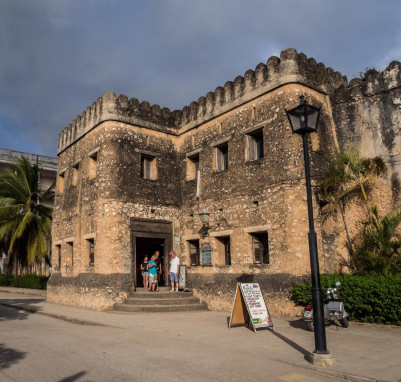
Later, we visit the Old Fort (Ngome Kongwe) in Stone Town, the oldest surviving structure in Zanzibar, offering insight into the island’s rich history and heritage. Afterwards, we visit the Freddie Mercury House, the birthplace of the legendary singer and lead vocalist of the rock band Queen, who was born in Zanzibar and later became one of the most influential musicians in rock history.
Following this, we visit the bustling Darajani Market in Stone Town, where we experience the vibrant local life, shop for fresh produce, spices, and seafood, and soak in the authentic atmosphere of Zanzibar.
Day 7
DOLPHIN TOUR & PRISON ISLAND
After a continental breakfast, we proceed to the Dolphin Tour in Zanzibar, where we set out by boat along the island’s coastal waters to observe wild dolphins in their natural habitat. These dolphins are not tamed or kept in captivity; we visit the areas where they naturally reside, without disturbing them, enjoying the incredible sight of these magnificent creatures swimming freely in the clear waters of the Indian Ocean. After the Dolphin Tour, we return to the hotel, enjoy lunch, and then proceed to Prison Island, a historic site known for its giant tortoises and fascinating history.
PRISON ISLAND
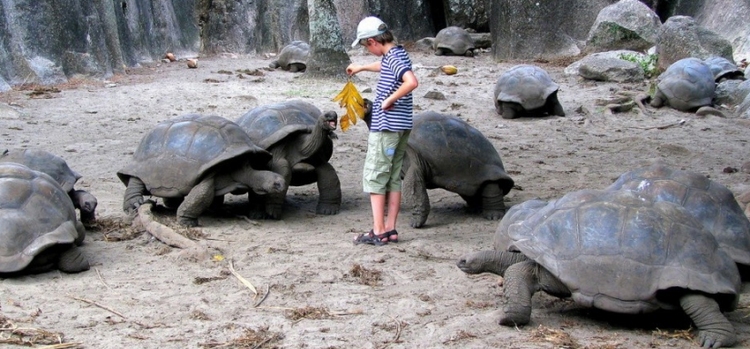
Prison Island, also known as Changuu Island, lies just a short boat ride from Stone Town and is one of Zanzibar’s most fascinating heritage sites. The island was originally acquired in the late 19th century to house rebellious slaves, though it was never fully used for this purpose. During the British colonial era, it later served as a quarantine station for yellow fever cases, helping protect the main island from epidemics. The remains of the historic prison buildings still stand today, offering insight into Zanzibar’s colonial past. In contrast to its serious history, the island is now famous for its population of giant Aldabra tortoises, some of which are over 100 years old. Surrounded by crystal-clear waters, coral reefs, and scenic beaches, Prison Island combines history, wildlife, and natural beauty, making it a relaxing yet educational stop.
CHAPWANI ISLAND
Chapwani Island is a small private island located just off the coast of Stone Town, offering a peaceful retreat surrounded by the turquoise waters of the Indian Ocean. Historically, the island was used during the late 19th and early 20th centuries as a quarantine station for people affected by infectious diseases such as cholera, helping protect Zanzibar from outbreaks. Over time, Chapwani Island has transformed from a place of isolation into a tranquil heritage island, where traces of its past remain amidst natural beauty. Today, it is valued for its quiet beaches, scenic ocean views, and relaxed atmosphere, making it an ideal stop for rest, reflection, and island-style relaxation. Later we proceed to Hotel .Dinner and overnight stay in Zanzibar Overnight: Maru Maru Hotel, or similar in Zanzibar Meal Plan: Breakfast, Lunch & Dinner
Day 8
ZANZIBAR TO ADDIS ABABA
After breakfast, check out from the hotel and proceed to the airport for our return flight home. As we bid farewell to the beautiful land of Zanzibar, carry with your unforgettable memories, breath-taking experiences, and the joy of a journey well spent.
GOOD BYE TO AFRICA.
It’s the time to say goodbye to all the new friends you have made. We hope you take back happy memories of your Discover Africa- Ethiopia and Zanzibar Tour. We would like you to spare a few minutes of your time to write and tell us how you enjoyed your tour and any suggestions you may have for the future.
Check out hotel and transfer to Abeid Amani Karume International Airport, Zanzibar for our flight to Addis Ababa. Ethiopian Airways Flight ET800 departs to Addis ababa at 12.05 hrs and arrive at Addis ababa International airport at 14.40 hrs. . Later connect Ethiopian Airways Flight ET640 to Mumbai at 18.20
Day 9
FLY BACK HOME
Arrive at Mumbai International Airport at 02:05 hrs and connect to your onward flight to Kochi, Trivandrum, Calicut, or any other destination in India, cherishing the wonderful memories of Benny’s Royal Tour’s Discover Africa – Ethiopia and Zanzibar Tour.